
Key Takeaways:
- A trade show video strategy should support a specific goal, such as awareness, booth traffic, engagement, or lead generation.
- Plan content across all three stages: promotion before the show, engagement during the show, and follow-up afterward.
- Different formats serve different needs, from booth loops and product demonstrations to testimonials and highlight reels.
- Capture more than the final recap. Interviews, demonstrations, atmosphere, and short moments can become a library of future content.
- Fast editing and platform-specific distribution help preserve momentum after the show ends.
Video is one of the most impactful media for elevating trade shows and corporate events. A strategic approach to video production can drive pre-event registration and enhance the attendee experience. It can also extend your event’s reach beyond the show floor, showcasing the value you deliver to exhibitors and attendees, which is also a useful promotional asset for future events.
For event organizers, video serves multiple strategic purposes throughout the event life cycle:
- Before the event: Use video to build anticipation and drive attendance.
- During the event: Enhance the attendee experience and document key moments.
- After the event: Showcase the event’s success and sustain momentum for future bookings.
Well-designed demonstrations, keynote presentations, and experiential activations all translate effectively to shareable video formats throughout your venue, across social media channels, and through post-event communications.
Benefiting From Event Video Production
Understanding where to start and how to craft an engaging video production strategy for trade shows requires considering multiple factors, from pre-event planning and technical requirements to content formats and distribution strategies. However, the benefits are worth it.
Event video can:
- Amplify pre-event promotion and drive stronger registration numbers.
- Capture and key moments that attendees want to relive and share.
- Provide valuable content for exhibitors and sponsors to leverage in their own marketing efforts.
- Extend your event’s reach to those who couldn’t attend while building anticipation for future events.
- Demonstrate the value and success of your event to stakeholders, sponsors, and potential attendees.
Getting Started With a Quick Plan
Before diving in, ask yourself these questions about the event, experiences you’ve crafted with your team, and your product offerings:
- Are you pursuing engagement, lead generation or brand awareness? Align your script and video content accordingly.
- Who is your target audience, what types of video content do they resonate with most, and is there a message that would work best?
- What video type are you focusing on — loop, demo, highlight reel, interview, or ad?
- Consider the recording environment, including noise, screen placement, extras, and real-world or virtual settings.
Choosing the Best Trade Show Representation Video
You can go with flashy brand and product demos with sweeping aerial videography or something more subtle, with education the primary focus — telling people how best to use a product or service.
It all depends on what serves your message well to both attendees and those watching remotely, if that’s an option.
- Brand videos: A direct look at the team behind the products, with behind-the-scenes imagery of setup, camaraderie, and even during-the-event experiences.
- Loops and booth loops: Short, attention-grabbing videos displayed at your exhibit to draw people in, developed to play in a continuous pattern.
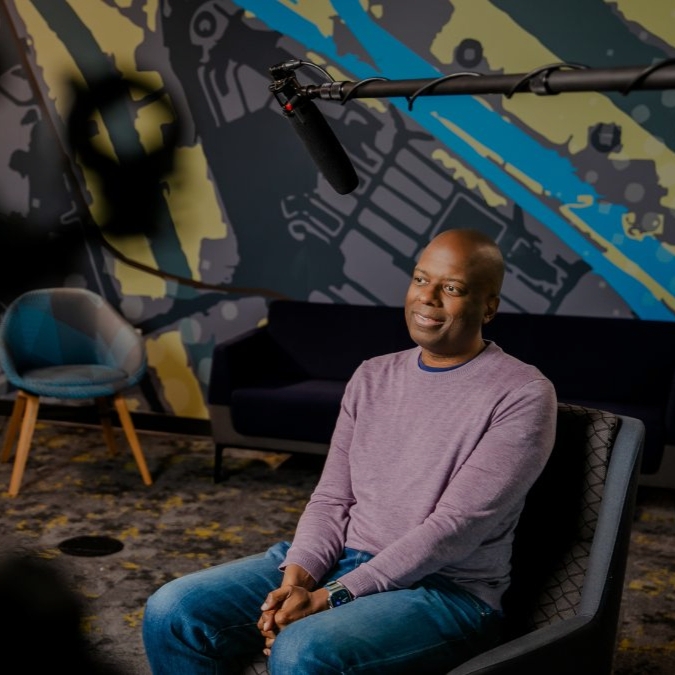
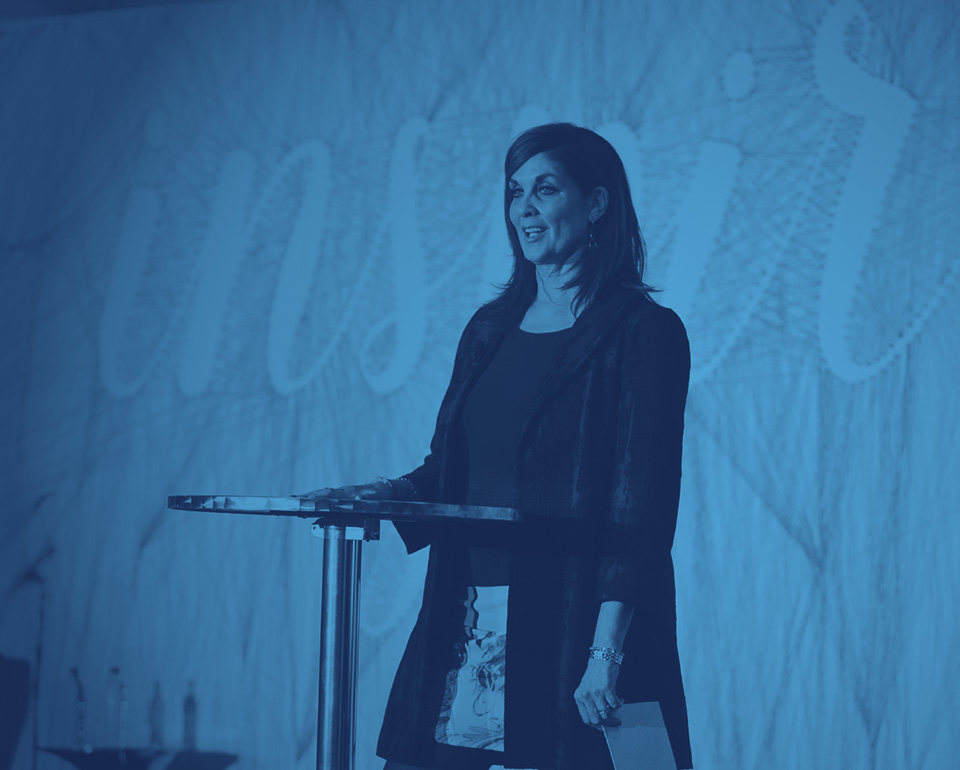
- Educational videos: Presentations, including keynote events, discussions, and conversational videos providing helpful guidance or details about a product, brand, and services.
- Product demos: Reps, team members, or customers showcasing your products in action or explaining complex service benefits with visual indicators.
- Testimonials: Direct and positive feedback from existing customers, clients, or attendees.
- Hype videos or ads: Fast-paced recaps or previews of the event’s energy, team, and attendees.
Producing the Video Content
It’s easy to fall into the trap of thinking all the work is done the day of or during the live event, but that’s not usually the case. Strong planning leading up to and during the active days is also necessary. Pre-show teasers and scripting, even if loosely based on what’s coming, are integral to keeping campaigns intriguing and on track.
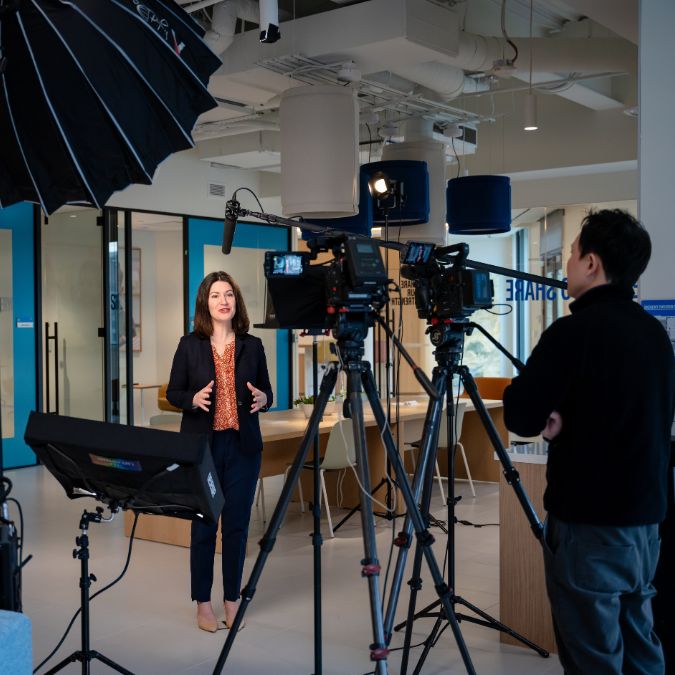
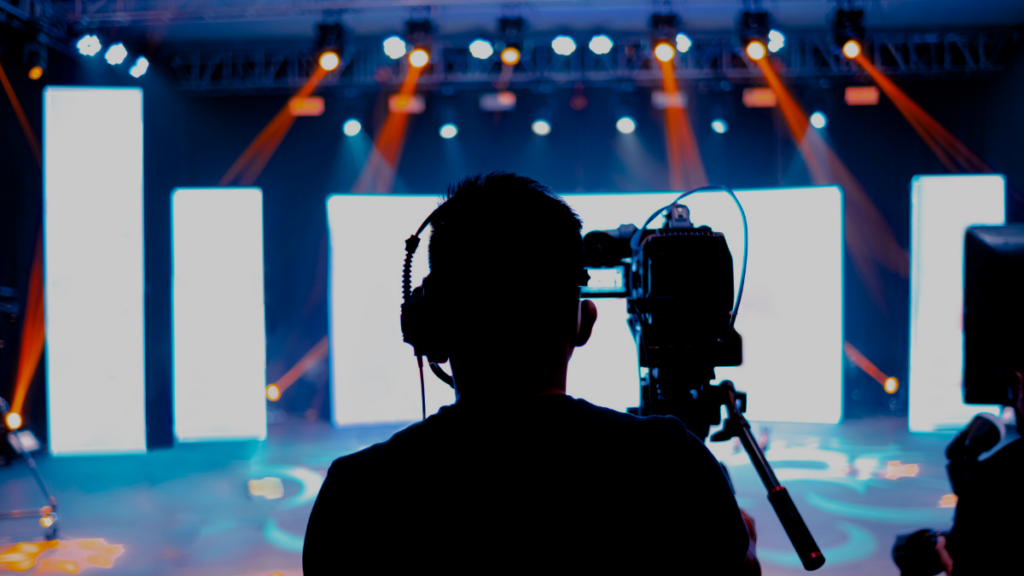
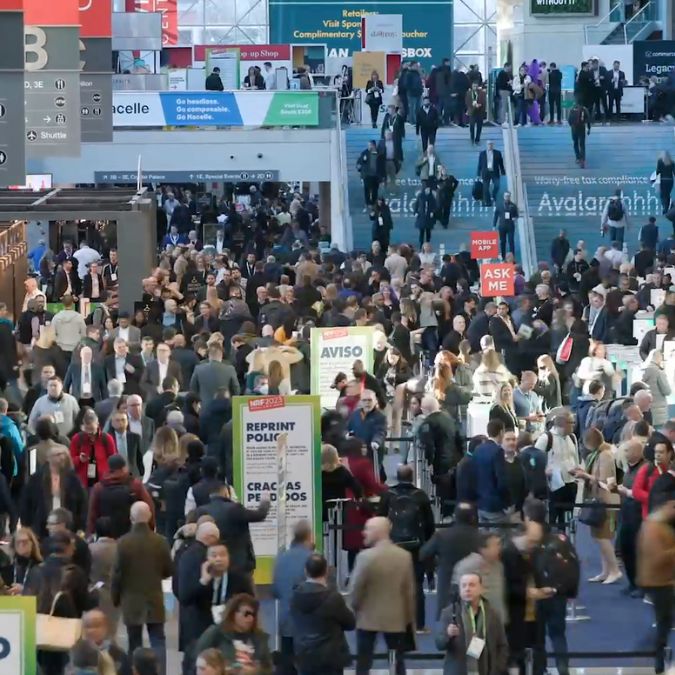
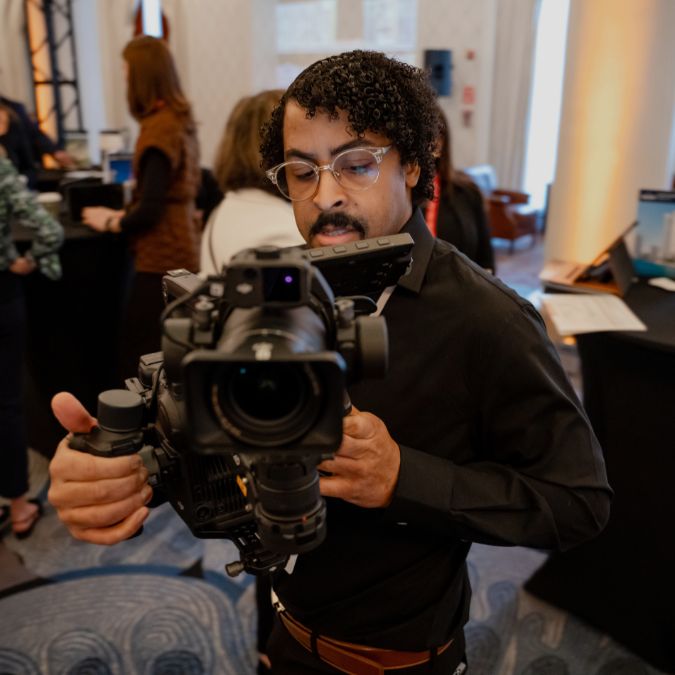
During the event, live filming with professional crews, capturing interviews, even off-the-cuff, live product demos, booth activity, and foot traffic are all big. It’s always better to capture more content, so you have extra video to work with, than to capture only minor elements.
After the event, turning the raw footage into polished highlights, testimonials, and marketing assets with quick turnarounds is hugely beneficial to maximizing the ROI of any campaign. That is where solid professional help comes into play. Professional teams use multiple camera setups, motion graphics, and expert editing to create stunning visuals that drive engagement and deliver impactful views long after a trade show ends.
Optimizing that video content for use across various platforms like YouTube, TikTok, Instagram, and social media is also extremely important. That allows you to truly extend the usability of the content beyond what you might have originally envisioned.