
Key Takeaways:
- Strong on-camera executive communication starts with comfort and clarity, not memorized perfection.
- Help the speaker understand the audience, purpose, and setting before developing or rehearsing the message.
- Keep the shoot environment calm, focused, and low-pressure.
- Use supportive coaching and invite speakers to express ideas in their own words.
- Breaks, changes in posture, or a fresh approach to a line can restore energy and authenticity.
Helping Leaders Communicate Confidently and Naturally
Most executives are strong communicators. They lead meetings, present to stakeholders, and guide teams through change. But when the camera turns on, even experienced leaders can feel off balance.
Delivering a message on camera feels different. The usual cues are missing, and the setup can be unfamiliar. Without a real audience, even experienced speakers can feel disconnected from their message.
Video remains a helpful way to reach people. It’s direct, easy to share, and often fits how audiences prefer to take in information. The goal is helping leaders sound like themselves and connect with the people they need to reach.
We’ve spent over 20 years at LAI Video helping executives feel more comfortable and communicate clearly on screen. Here are some of the top tips we share with leaders every day.
Why Executive Presence Matters in Corporate Video
People tune into leadership videos for clarity. But they stay with them because the delivery feels grounded.
Across every type of corporate video production, the person on camera often carries the message. Their tone, pacing, posture, and presence shape how that message lands, especially when the subject matter is complex or high-stakes.
A confident, well-supported executive can help:
- Establish trust across teams and stakeholders
- Set the tone for company culture and direction
- Bring consistency across a full company video production strategy
- Build stronger connections with external audiences
When communication feels real, people respond. They remember. And they engage.
What Executive Video Presence Looks Like
Presence isn’t volume or polish. It’s clarity, control, and tone that feels natural to the speaker.
In practice, it often shows up through:
- Pacing that gives each idea room to land
- Language that reflects how the speaker actually talks
- Body language that feels intentional, not frozen
- Eye contact that steadies rather than scans
These aren’t performance tricks. They’re outcomes of preparation, trust, and the right environment.
Preparing Your Executive to Speak on Camera
Start with context, not lines. Before you even open the script, help your executive understand who they’re speaking to, why the video is being created now, and where it will be seen.
That framing makes the message easier to internalize and easier to deliver.
When it comes to rehearsal:
- Encourage out-loud practice
- Give them space to adjust phrasing that feels stiff
- Focus on tone and flow over perfection
- Ask them how they’d say it if they weren’t being recorded
This kind of prep builds familiarity. Familiarity makes room for presence.
Setting up the Space for Confidence
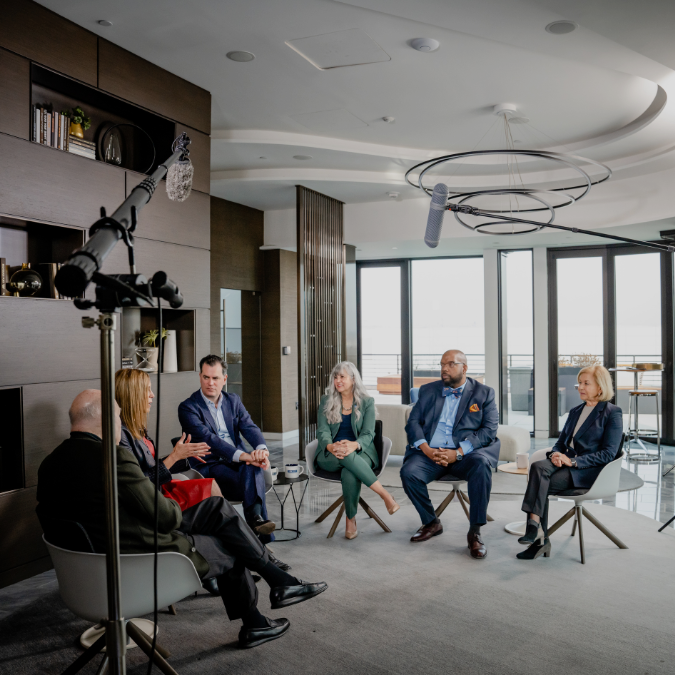
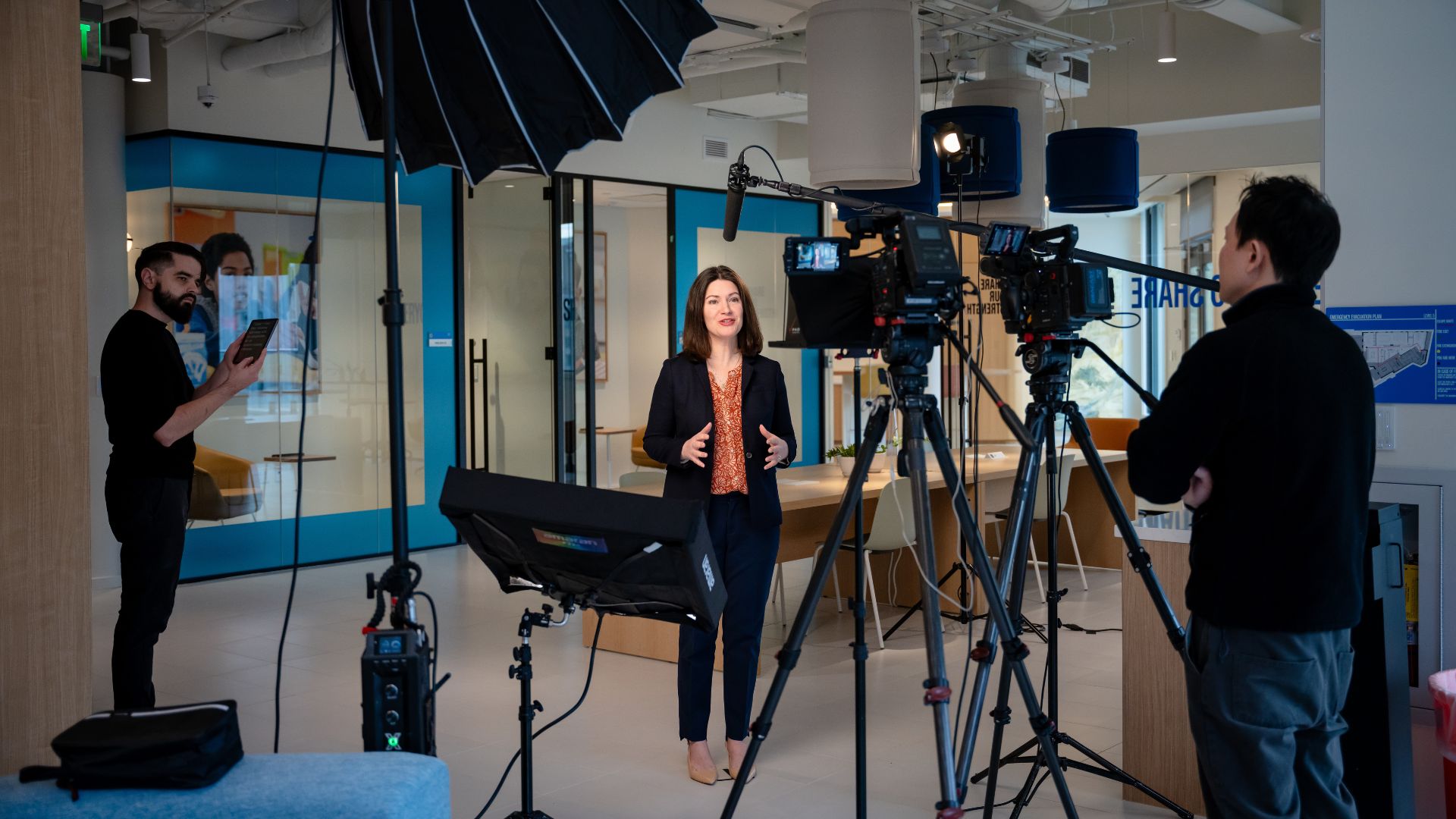
The shoot day should feel like an extension of how your executive communicates — not a high-stakes production. That starts with keeping the room quiet, focused, and intentional.
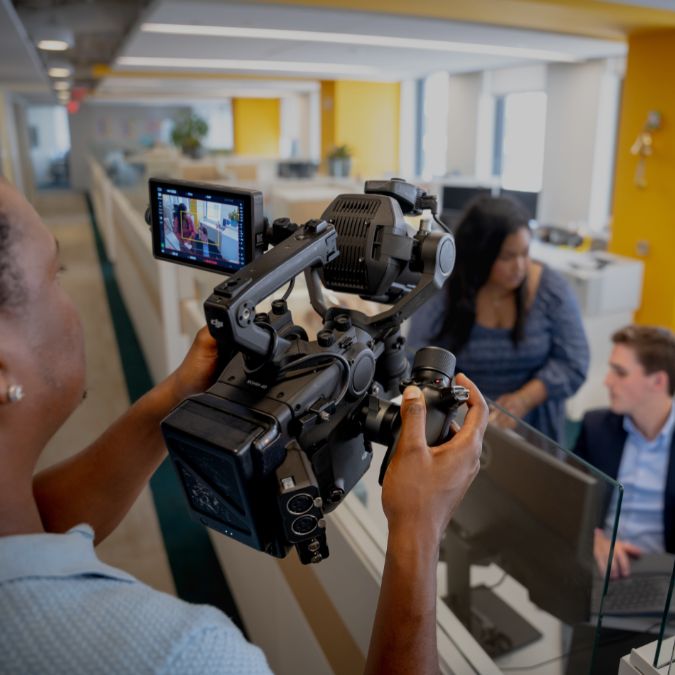
Limit the number of people in the space. A producer or director, a camera operator, and a single stakeholder is usually enough. Avoid overcrowding, especially near the monitor.
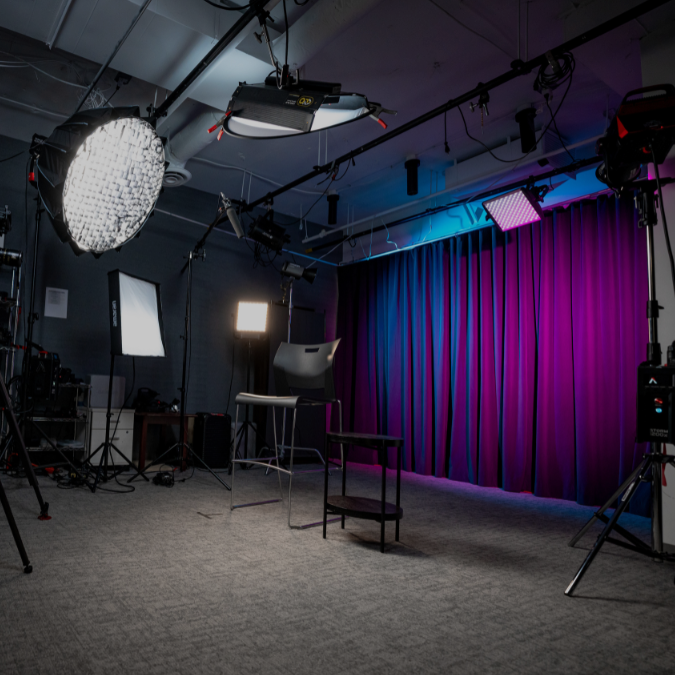
Lighting should feel clean and simple. The space should allow for eye-level framing and minimal distractions. Wardrobe should reflect the executive’s typical tone, polished but personal.
And always, always leave room for warm-up. The first few takes are rarely the best, and they shouldn’t need to be.
How to Support Performance in the Moment
Once the camera is rolling, small nudges go further than heavy-handed direction.
Helpful coaching might sound like:
- “Let’s take that again with a little more space between ideas.”
- “Want to try that sentence in your own words?”
- “This is landing well. Let’s keep the tone just like that.”
Sometimes performance fatigue sets in. That’s okay. Take a break, reset, then come back fresh. Rushing rarely helps, especially when clarity is the goal.
Adjusting When Things Go Off Track
Performance dips happen. Lines fall flat. Energy fades. When that happens, it’s helpful to focus less on the words and more about reconnecting the executive with the message.
A few adjustments that tend to work:
- Invite them to paraphrase the line
- Start the take from a different point in the script
- Change the physical setup (sitting to standing, or vice versa)
- Step out, then re-enter the space with a different energy
Treat the Process as Flexible. Because It is.
Supporting presence with thoughtful production
A few small decisions help everything feel more human:
- Allow time for set-up and re-takes without rushing
- Keep the room quiet and low-pressure
- Don’t over-style wardrobe, makeup, or delivery
- Let the executive decide if they want to see playback
- Offer clear, encouraging feedback without overwhelming the speaker
This is how presence is supported. Not with polish, but with care.
What Audiences Take Away
When an executive sounds like themselves, the message doesn’t feel like messaging. It feels like communication.
And that’s what gives executive video presence its power: it connects tone to intent, and person to message. The more aligned those things are, the more effective your video becomes.
Whether it’s a one-off shoot or part of an ongoing video thought leadership strategy, this approach builds trust. And trust is what makes any message stick.
LAI Video works with teams to produce thoughtful, human-first content — from internal communications to public-facing campaigns. We help shape every part of the process so your leaders can speak with clarity, comfort, and confidence in front of the camera.