
How to Turn Event Sponsorships Into Measurable Business Value & Real ROI
Key Takeaways:
- Event sponsorships can be more than visibility plays. They can create opportunities for listening, learning, and building trust.
- Unexpected but relevant brand connections can create stronger audience interest than predictable sponsorships.
- On-site interviews can reveal candid customer language and insights that improve future messaging.
- Plan content capture before the event so the sponsorship produces useful assets for weeks or months afterward.
- Evaluate sponsorship value through relationships and insight gained, not only impressions.
Financial organizations spend billions each year on event sponsorships. Conferences, summits, cultural moments, industry gatherings. Packages stacked with logos, signage, booths, and hospitality.
The logic is familiar: visibility leads to awareness, awareness leads to credibility, and credibility eventually leads to consideration.
But too often, measuring the return stops at “being seen.” A logo on a stage. A name on a program. A moment of recognition that fades as soon as the event ends. This is why sponsorship ROI becomes difficult to justify year after year. At Statler Nagle, we’ve spent years helping financial institutions, associations, and coalitions use sponsorships to do more than show up. Done well, sponsorships can become:
- A live trust environment
- A way to use surprise and experiential elements to drive measurable results
- A real-time listening engine
- A content platform that builds credibility long after the event ends
Now, with Statler Nagle and LAI Video combining forces, our shared experience in financial space brings a clearer, more grounded perspective on how sponsorships can work harder. Here’s how to approach sponsorship ROI in a way that’s measurable, repeatable, and built for long-term impact.
Sponsorships as Rare Trust Environments
Before getting tactical, it’s worth stepping back and asking why sponsorships matter so much in financial services in the first place.
Financial decisions are high-stakes, emotionally charged, and often deferred. People don’t wake up excited to think about retirement income, risk mitigation, annuities, or long-term planning. They engage when something nudges them, such as a life event, a moment of reflection, or a conversation they didn’t expect.
Events create those moments. They’re one of the few environments where:
- People are physically present
- Attention is focused
- Context is shared
- Conversations happen organically
At a conference, concert, summit, or industry gathering, people lower their guard just enough to be honest. You get real-time reactions, better questions, and a clearer view of what’s actually on their minds about money, work, retirement, and the future.
Mistake #1: Playing it Safe with Sponsorships
Sponsorships can generate outsized attention not because of their scale, but because of their contrast.
In our experience, some of the most effective sponsorships worked because they challenged assumptions about where financial brands “belong.” Two Statler Nagle case studies that illustrate this are the Alliance for Lifetime Income sponsoring tours for the Rolling Stones and Elton John.
At first glance, the pairing was surprising. Bringing a topic like retirement planning and annuities into the context of world tours by legendary musicians made audiences pause and take a second look. Then the context clicked.
- Elton John was on a farewell tour, marking the close of a long performing career.
- The Rolling Stones’ audience skewed toward a generation already thinking about retirement.
What began as surprise turned into relevance, sparking meaningful conversations in spaces where key audiences were already gathered. The combination of surprising but credible is what drove results, building engagements and growing awareness and subscriber growth.
Mistake #2: Letting the Impact End When You Pack Up
One of the most common refrains we hear from clients is: “We sponsor these events, but it all feels over the minute we pack up.” That’s not an inevitability. It’s a planning failure.
Too many sponsorships treat content as an afterthought, usually a recap video pulled together once everything’s over with no purpose beyond documentation. The result is generic footage that gets posted once and forgotten.
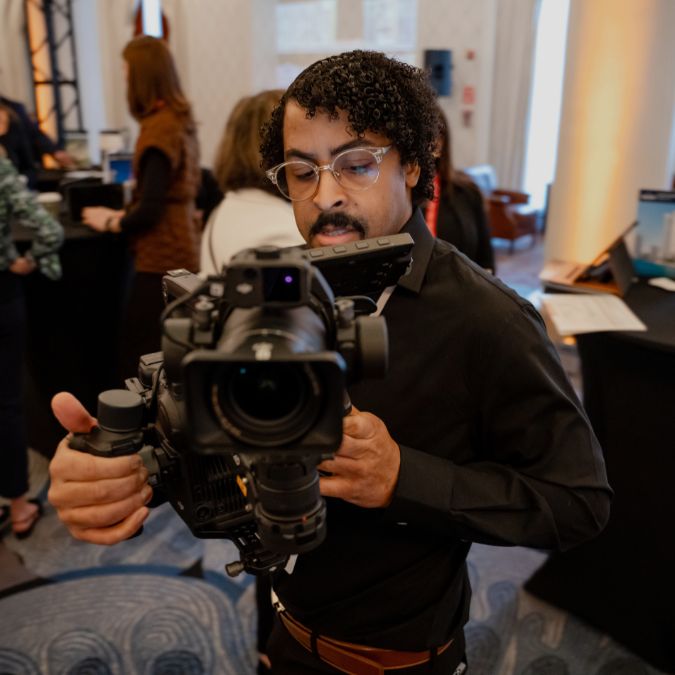
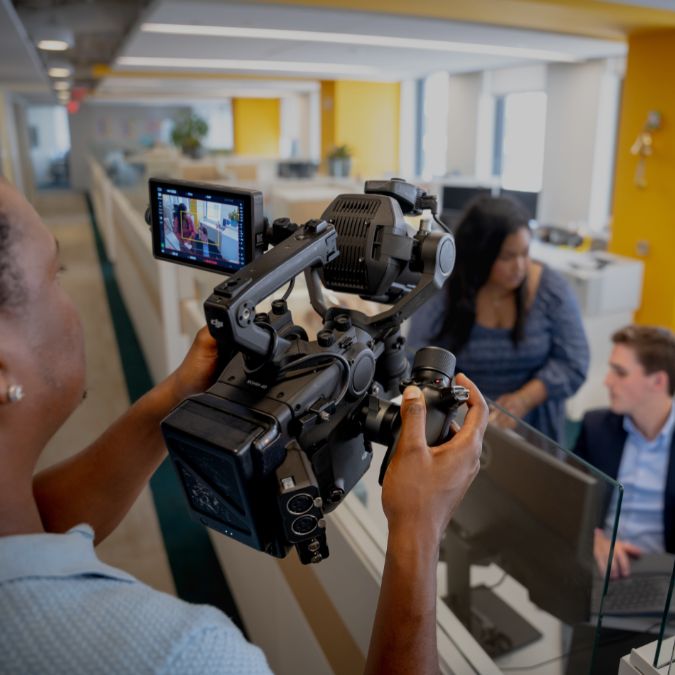
That’s where working with the right partner matters. Teams like LAI Video, who specialize in event coverage, help organizations plan content capture ahead of time so you leave with assets that can actually keep working.
When content capture is approached strategically, a single event can fuel weeks or months of meaningful engagement. That might include:
- Recap videos that communicate the event’s impact across marketing, social, and internal channels
- Short, social-first clips that increase visibility and extend post-event conversation
- Mini-series content for YouTube, your website, or gated platforms, built around attendee insights and recurring questions
- B-roll captured for flexible use across future marketing and advertising efforts
- Event teasers and promotional assets that support registration and momentum for the next year’s event
Learn more about LAI Video’s event video production solutions here.
Mistake #3: Treating Events as Broadcast Opportunities Instead of Listening Posts
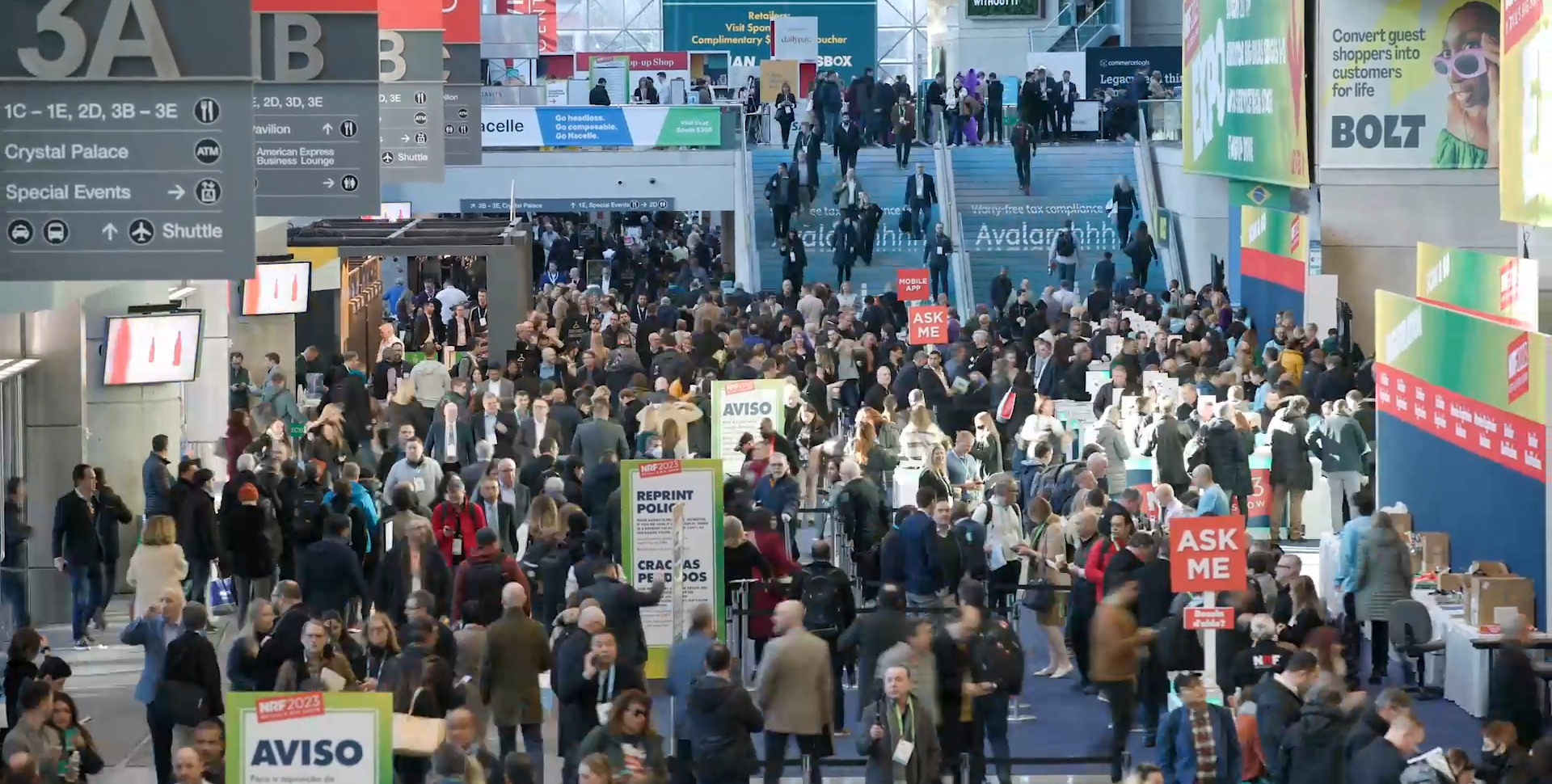
One of the biggest mistakes we see organizations make at sponsored events is feeling the need to push their message. They show up with talking points, taglines, and polished elevator pitches. Staff get trained to “stay on message.” Consistency becomes the goal.
We believe that’s backwards.
If you want to maximize sponsorship ROI, your first job is not to speak. It’s to listen.
What to Listen For
- What’s actually top-of-mind for attendees right now?
- What are they worried about financially and why?
- How do they talk about the industry when no one is prompting them?
- Where do they feel confused, underserved, or skeptical?
- What language do they use versus the language the industry uses?
These conversations are gold. They are candid, unfiltered, and grounded in real-life experience. And they often reveal gaps between how financial organizations think they’re being perceived and how they actually are perceived.
They also put your people front and center. Listening, asking smart follow-up questions, and responding in the moment establishes them as advocates and experts. That visibility builds trust and sticks with people long after the event ends.
Mistake #4: Designing Interviews Solely for Content Instead of Research
We always encourage clients to think about on-site interviews first as research, not production. This mindset shift matters. When interviews are designed primarily for insight:
- Questions are open-ended
- Conversations go longer
- Responses are more honest
- Unexpected themes emerge
Those insights then shape:
- Messaging and positioning
- Product education
- Content strategy
- Earned media narratives
- Future campaigns and partnerships
Across several programs we’ve supported, direct audience conversations changed how organizations talked about their category. For example, when the Alliance for Lifetime Income sponsored Elton John’s Farewell Yellow Brick Road tour, the team conducted more than 100 on-site interviews. That firsthand input shaped messaging and strategy around real concerns and perceptions, helping influence behavior.
Mistake #5: Production that Distracts
Of course, listening doesn’t mean disappearing. It means being present in a way that invites participation. This is where a small, nimble video crew makes a difference.
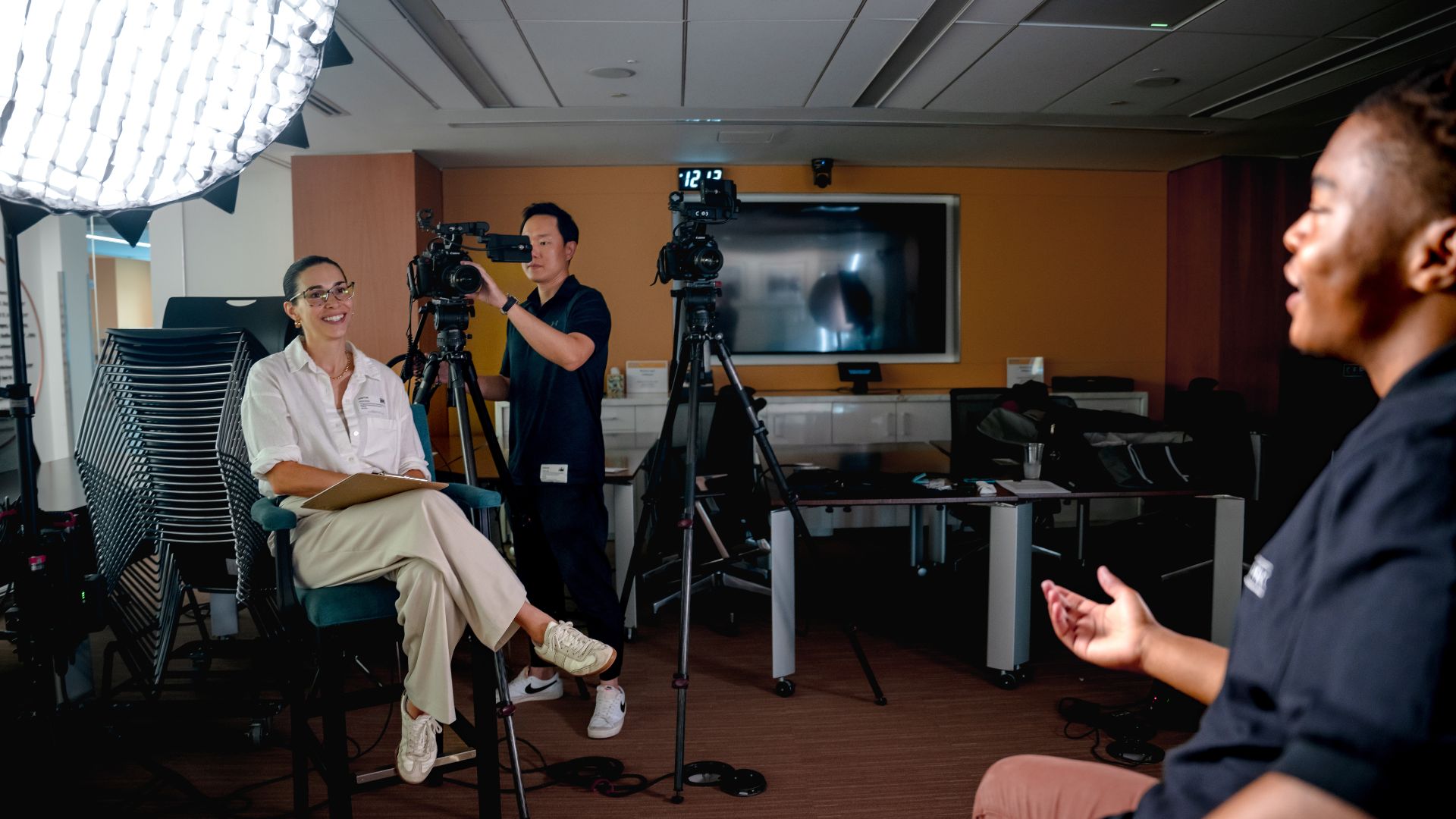
Teams like LAI Video are built for this kind of on-site work: capturing real conversations without turning the event into a production set or making people feel “on camera” in a way that shuts them down. We’ve seen success with:
- Man-on-the-street-style interviews in high-traffic areas
- Branded “video lounges” where attendees can drop in informally
- Quiet corners set aside for longer conversations
When done well, these setups feel less like production and more like conversation, adding value by capturing moments that can be reused long after the event.
But the real value often comes before the edit—in the patterns you start to see, the language that repeats, and the assumptions that fall apart.
Mistake #6: Measuring the Wrong Things
One reason sponsorship ROI is often undervalued is because it’s measured poorly. Impressions, reach, and attendance matter, but they rarely tell the full story. We encourage organizations to ask harder questions:
- Did sentiment change?
- Did understanding deepen?
- Did people take action?
- Did engagement grow over time?
In the most effective programs we’ve supported, success was measured not just in visibility, but in increased positive coverage, meaningful digital engagement, education uptake, and behavior change indicators.
Final Thoughts
You’re already investing in sponsorships. Most financial organizations are. The real question is whether you’re getting the full return beyond awareness to insight, credibility, and long-term value.
When sponsorships are treated as strategic platforms rather than marketing line items, they can do far more than put your name in front of an audience. They can help you understand that audience, engage them meaningfully, and build a narrative that lasts well beyond the event itself.
At their best, sponsorships aren’t about being seen. They’re about showing up with purpose and proving that presence matters.
If you want help turning your next sponsorship into something more measurable, useful, and lasting, contact us today. Our team specializes in event strategy and content capture, and we’d love to help.