
Key Takeaways:
- People become more natural when they feel heard and supported rather than observed and judged.
- Build rapport before the formal interview begins and approach the conversation with genuine curiosity.
- Let the interviewee be the expert, especially at the start, by asking open questions about familiar subjects.
- Avoid interrupting to correct wording. Let the person finish, then revisit the idea if needed.
- Giving someone a familiar task to do can reduce self-consciousness and lead to more authentic answers.
People perform when they feel watched. They relax when they feel heard. The difference between a stiff, uncomfortable interview and one that feels genuinely real comes down to creating the right psychological and physical conditions before the camera ever rolls.
Why On-Camera Comfort Starts Before the Interview Does
If someone already looks uncomfortable when they sit down for an interview, you’re already behind.
A lot of people think making someone feel comfortable on camera starts once the interview begins, but it usually starts earlier than that. It starts the second you begin interacting with them. Sometimes that happens in a pre-interview. Sometimes it happens in a hallway conversation, in a joke before they sit down, or just in the way you carry yourself from the start. The goal is not to turn someone into a performer. The goal is to make them feel like themselves.
Over the past 20+ years, I’ve conducted and been part of interviews in just about every kind of setting: scripted shoots, documentaries, quick branded pieces, and docu-style branded pieces.
At LAI Video , this has become a real point of pride in our work, especially in docu-style projects where the person on camera is not a polished spokesperson. A lot of the job is helping real people come across as confident, open, and honest without flattening what makes them real in the first place.
What Most Teams Get Wrong About On Camera Comfort
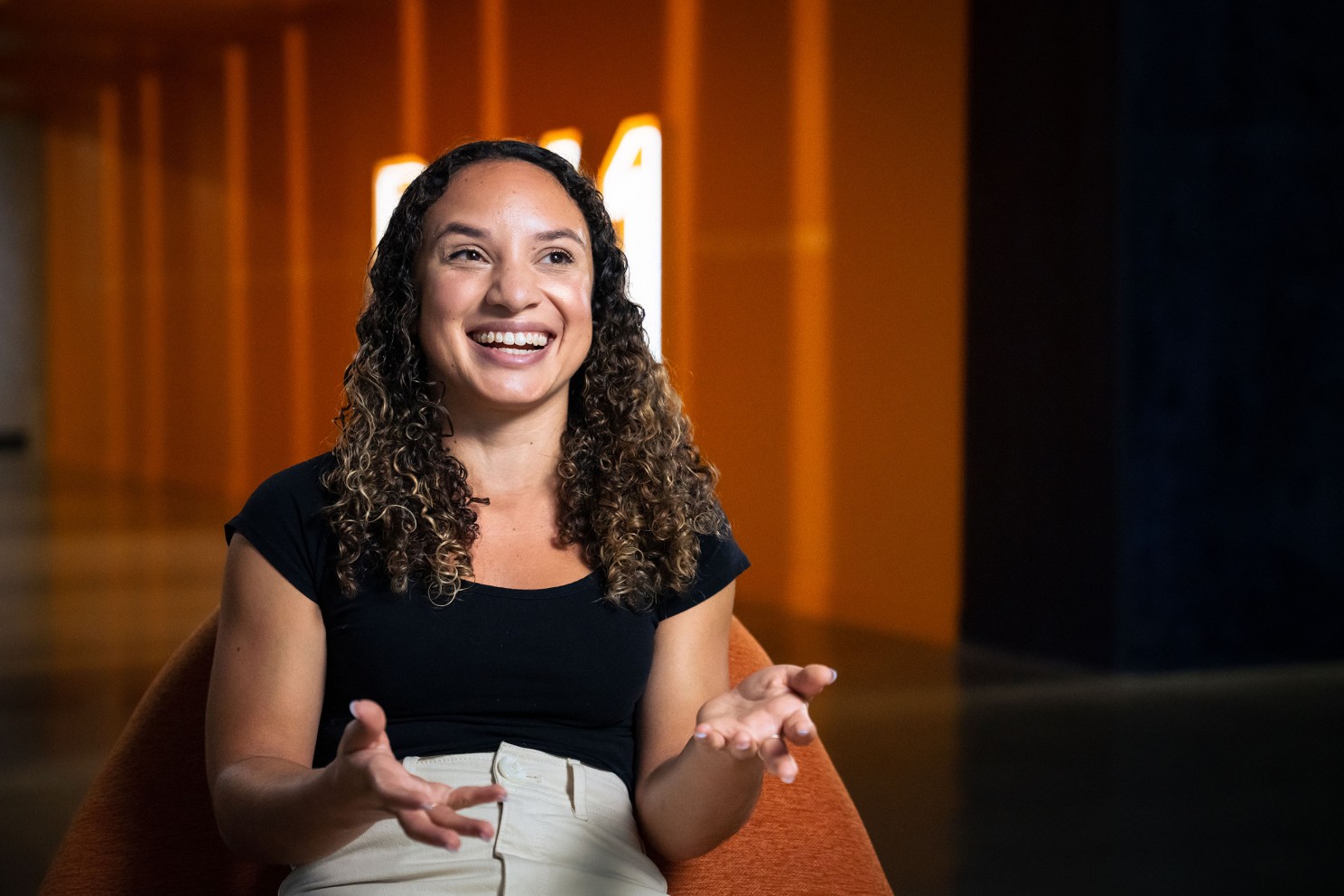
Most teams want an authentic answer, but they create an environment where the person feels managed, corrected, and overly aware of the camera. That tension shows up immediately. People start second-guessing themselves. Their rhythm changes. Their answers start sounding like something they think they are supposed to say rather than something they actually mean. If the subject feels managed, the audience will feel it too.
The Most Effective Video Interview Tip: Put People in the Driver’s Seat
If I’m interviewing someone who isn’t trained on camera, I want them to feel like they are the expert in the room. Even if I know the subject well. Even if I know exactly where I want the interview to go. My job in that moment is not to prove I know things. My job is to make them talk more.
That means reacting with real curiosity and making it clear that what they just said was worth saying. Sometimes that sounds as simple as, “That’s a great way of putting that,” “I haven’t heard it said like that before,” or “Can you elaborate on that?” Those little responses matter more than people think. They build confidence. They keep someone moving forward instead of retreating into their own head.
Ask Simpler Questions Than You Think You Need To
Even the questions themselves can help. Instead of overbuilding a question so it already contains the answer I want, I’d often rather ask something simple like, “Where are we and what are we doing today?” It’s basic, but it works. Most people know how to answer it right away. They know where they are. They know why they’re there. So instead of feeling tested, they start explaining. Once they start explaining, they’re no longer trying to perform. They’re just talking about something they know.
How to Interview Someone on Camera Without Breaking Their Rhythm
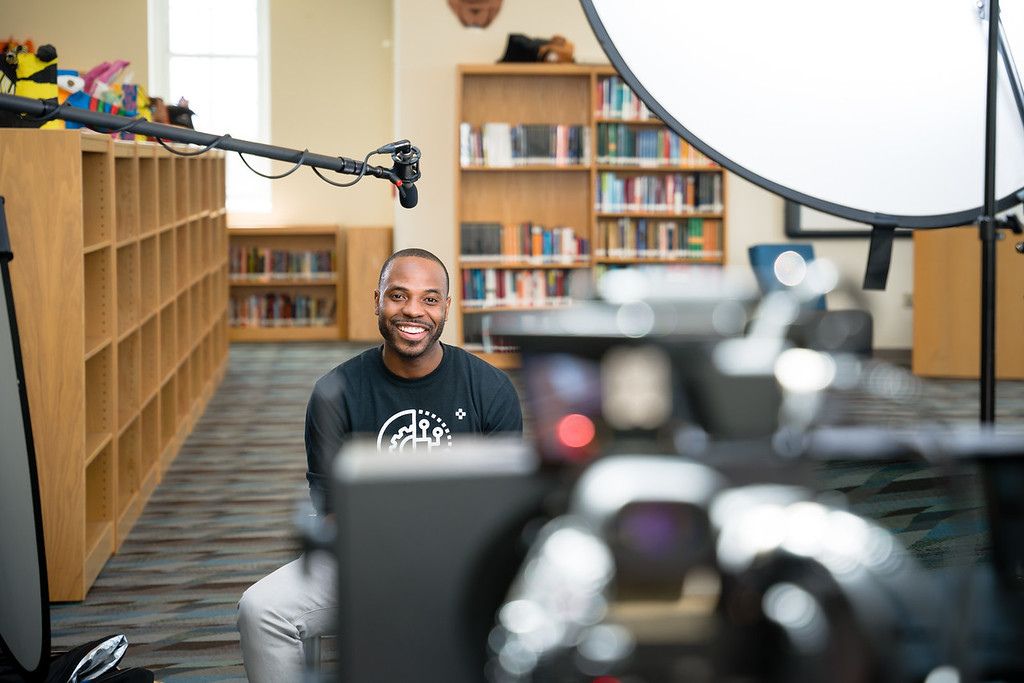
Another thing that matters is never making people feel like they failed. If someone is reading a script, answering a question, or circling around an idea without landing exactly where you hoped, they did not do a bad job, and they should never feel like they did. The fastest way to change someone’s energy on camera is to interrupt their rhythm with correction. The second you tell someone mid-thought that they said something wrong, you can see them tighten up. Now they’re no longer thinking about what they mean. They’re thinking about whether they’re messing up.
Why the Best Video Interviews Run Like “Yes, And”
So the interview has to operate more like yes, and. You encourage what’s working. You reassure them. You ask again another way if you need to. You keep them moving. Sometimes I’ll even tell people up front that I like asking the same question more than once in slightly different ways because the way I ask it changes the way they answer it. That tends to take the pressure off. A second pass no longer feels like a mistake. It just feels like part of the process.
Give People Something to Do: On Camera Confidence Through Action
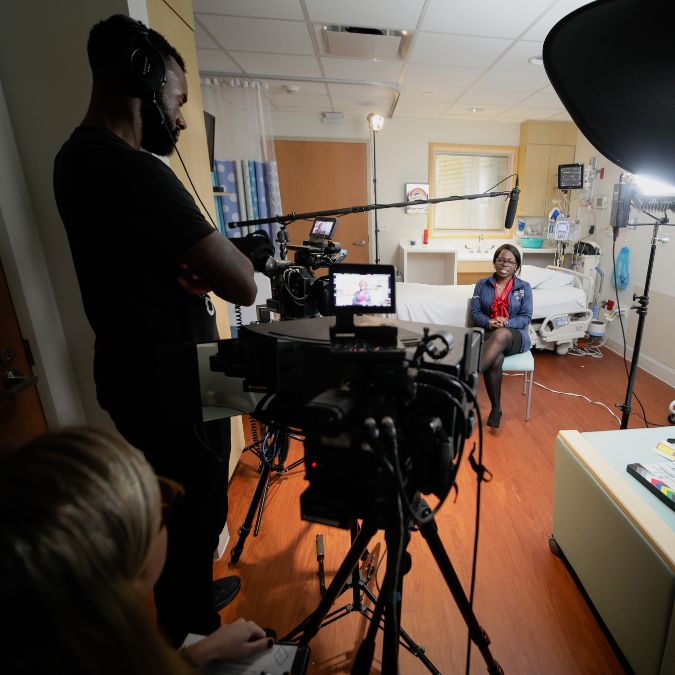
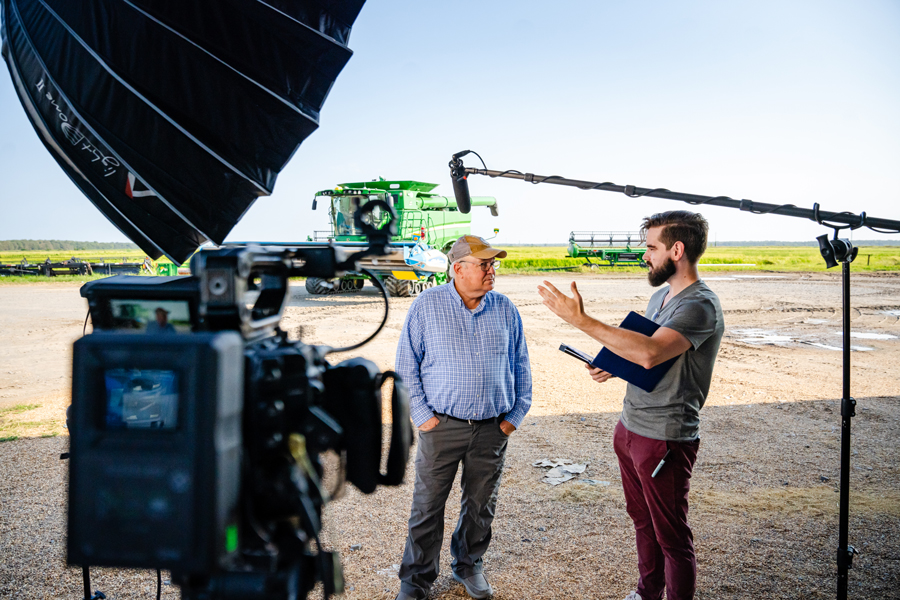
Another technique that can work really well, especially in documentary settings, is to have people do something while they talk. If someone is showing me how to do part of their job, walking me through a process, or physically doing a task they know well, I’ll often ask questions while they’re in motion. There’s something about a familiar activity that seems to take pressure off the brain. The person stops focusing so much on the fact that there’s a camera nearby. Their attention shifts to something they already know how to do, and that usually shows up in the way they answer.
If you sit someone in a chair with a camera in their face and ask for polished thoughts, a lot of people tense up. But if they’re making, demonstrating, moving, building, walking, or showing, the conversation usually starts sounding more like them.

How Your Camera Setup Affects On Camera Comfort
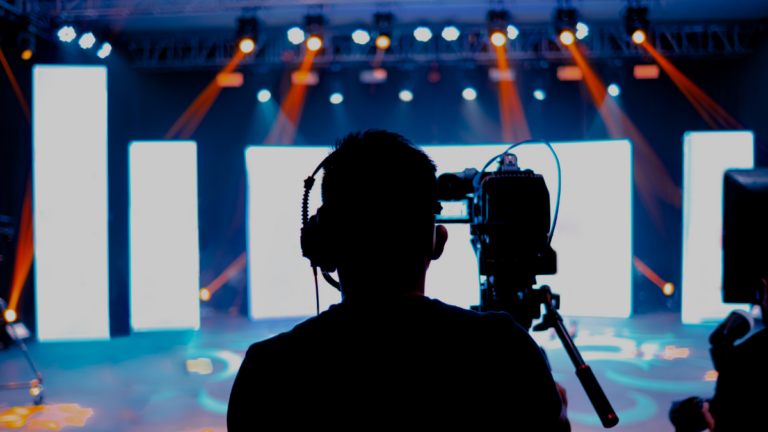
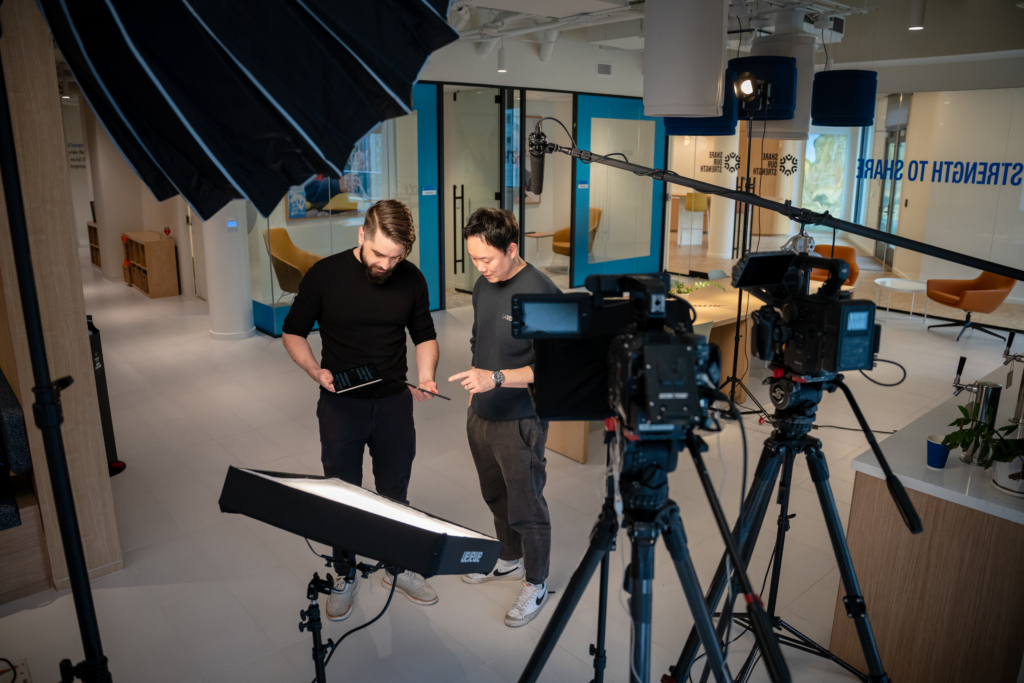
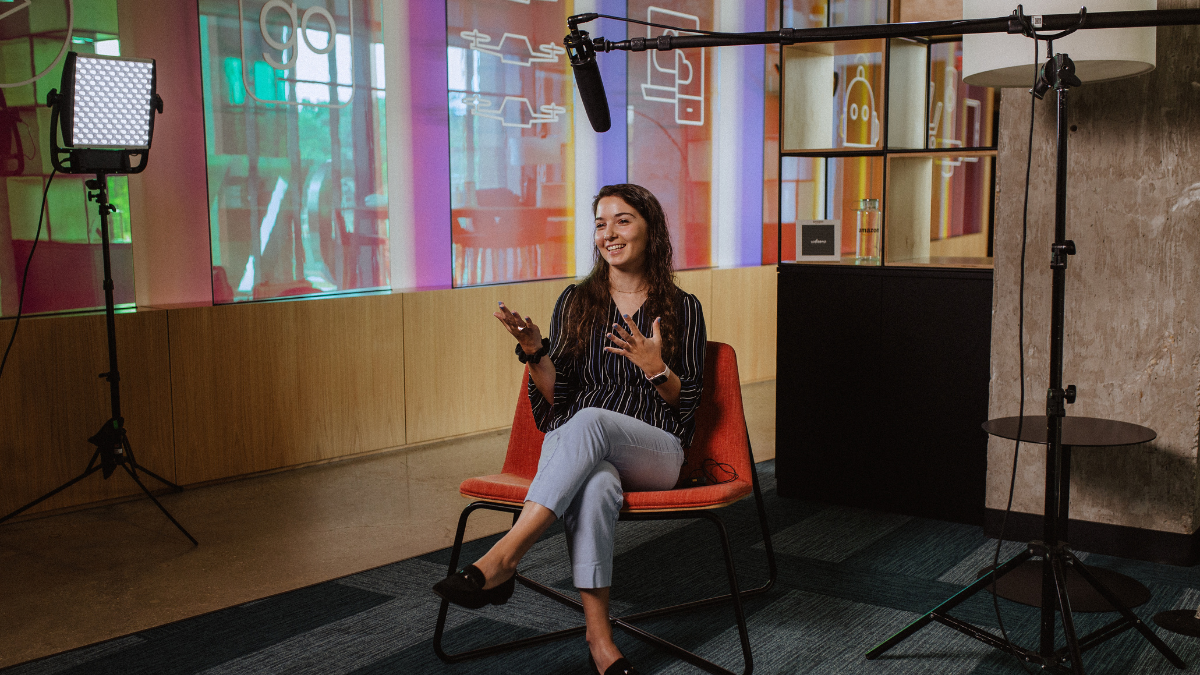
The same idea applies to the camera itself. Sometimes the setup is what makes people self-conscious. There are times when a full interview setup is the right call, but there are also times, especially in docu-style work, where things feel more real because they are a little more raw. A big lighting setup can change the temperature of the moment. People feel watched, and once that happens, they often slip into what they think being on camera is supposed to look like.
When a Looser Setup Gets You a More Honest Answer
So in some situations, I’d rather have the camera on my shoulder and keep moving. I might already be rolling while we’re walking from one place to another. I might ask an easy question while it still feels more like B-roll than an interview. A lot of the time, it is B-roll. But then a real answer shows up in the middle of it.
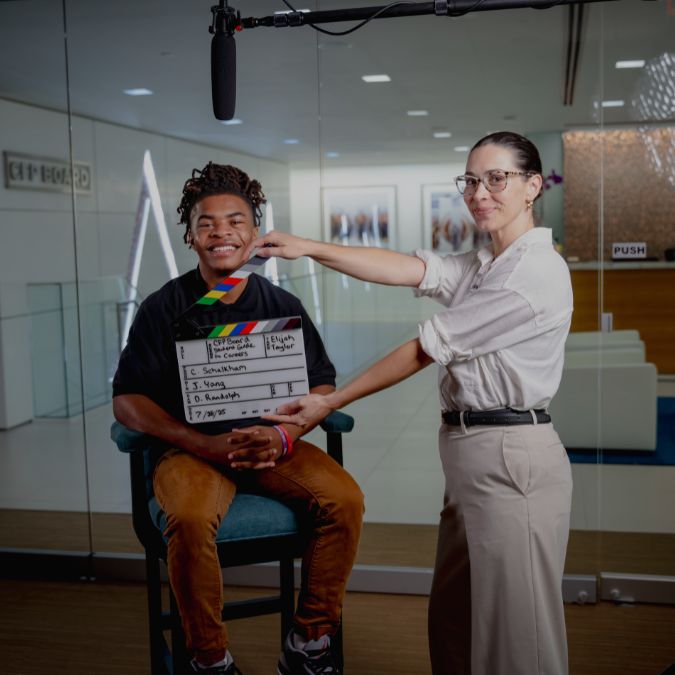
This can work especially well with younger interview subjects, or really with anyone who loosens up when the interaction feels less formal. Start with something easy. Ask about something they know well. Give them a chance to answer without effort. Then, once the energy is open and moving, you can start working in the deeper questions. What you get back may be a little less manicured, and the frame may not be perfect because the camera is moving, but a real answer usually matters more than a perfect frame.

Video Interview Tips for Handling Scripted Language and Branded Wording
There’s another place people get tripped up, especially on the marketing side. Sometimes a team really needs a specific phrase used, a certain name for the organization, or a branded way of describing something. That part is real. But if the person being interviewed has been saying it a different way for years, and now they’re suddenly trying to remember the approved wording while also answering naturally, you can almost see the mental gears grinding.
Get the Person Comfortable First. Clean Up the Wording Later.
The worst thing you can do is stop them right there and tell them they got it wrong. That kind of correction gets into someone’s head fast. So instead, I’d rather let the interview breathe. If there are specific wording issues, I’m making a mental note as we go. Then later, usually toward the end, after their confidence is built, I’ll circle back and ask the question again using the exact phrasing we need inside the question itself. Get the person comfortable first. Clean up the wording later.
The same goes for pre-production. If you want people to sound less rehearsed, don’t hand them the exact questions ahead of time. I’d much rather tell someone the general territory we’re going to cover and what kind of conversation we’re about to have. I want them prepared for the subject, not trying to remember approved language before they’ve even relaxed.
Why Genuine Interest Is the Foundation of On Camera Confidence
And honestly, I don’t think any of this works if you’re faking it. You can borrow the tactics. You can repeat the phrases. You can learn when to hold back a correction or when to soften a question. But people can feel when the interest isn’t real.
Some of the documentary subjects I’ve interviewed over the years are still in my life in small ways. We stay connected on social media. I’ve watched their kids grow up, and they’ve watched mine grow up too. I’ve seen people I interviewed at one stage of life move into a completely different one years later. That part has always meant something to me. Once the shoot is over and the final cut is delivered, they are still a person. Still someone you spent time with. Still someone who trusted you enough to let a camera in.
The Bottom Line
People perform when they feel watched. They relax when they feel heard. Your job is to create conditions—through genuine curiosity, simple questions, and the right camera setup—where they feel like the expert in the room, not the subject being tested.
At LAI Video , I think that human part of the work is a big reason our docu-style approach lands the way it does. People can tell when they are being handled, and they can tell when they are being heard. When that trust is there, people open up. When people open up, they look more like themselves. And when they look more like themselves, the audience believes them.
That’s the real goal. Not just getting someone through an interview. Getting to the version of them that feels true on camera.
That starts long before the first question. It starts the second you start talking.
Ready to bring this approach to your next project? Schedule a consultation with our team to discuss how LAI Video can help your subjects look and feel more authentic on camera.