
What Are Top Animation Trends in 2026?
The top animation trends in 2026 include motion brand guidelines, responsive design, kinetic typography, 3D and 2D hybrid styles, handcrafted animation, and short-form content built for clarity and flexibility.
They reflect a shift in how teams think about motion. Sometimes the work looks highly produced. Other times teams build it quickly and keep it simple. Either way, the goal stays the same: make the message easier to follow.
Usage continues to grow:
- Animation for marketing and internal communications increased 14% in 2025 (Renderforest)
- 96% of people say they’ve watched an explainer to understand a product or service (Wyzowl)
- 91% of businesses used video last year, with a large share of that animated (Wyzowl)
So the question has changed. It’s less about whether teams should use animation, and more about how motion supports the message, the brand, and the people you’re trying to reach.
Here’s what our team sees taking shape in 2026.
1. Setting Brand Guidelines for Motion
More teams define how their brand moves, not just how it looks. Motion guidelines bring consistency to animation across UX, social, and digital content. They help most when multiple teams or partners create pieces within the same system.
A few questions can guide the process:
-
-
- What elements should and should not animate?
- At what speed?
- What feeling should the motion create?
-
This does not need a formal rulebook. A few thoughtful answers can make motion feel intentional, not tacked on.
2. Building Dimensional Experiences with Motion
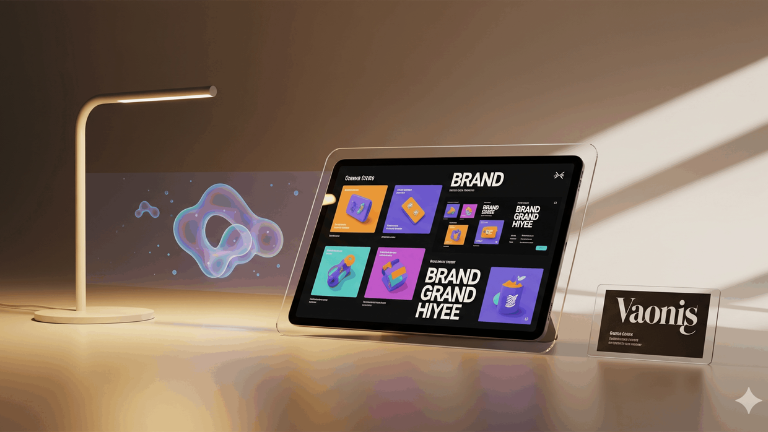
Motion can make content feel more layered and structured. It can create sequence and flow, which gives people cues for how to move through information without overwhelming them, like in:
-
-
- Scroll-triggered animations that build as the viewer moves down the page
- Interface motion that connects actions and outcomes
- Kinetic typography that adds pace and tone to text-heavy content
- Transitions that shift focus without stealing attention
-
When teams use these choices with intention, the message lands gradually and in rhythm.
3. Accessible Animation Tools Are Driving 3D Adoption
As tools like Spline and Blender become more accessible, more teams experiment with 3D in smaller, more flexible ways. These tools lower the barrier to entry, so teams can explore dimensional motion without heavy production.
The visual style often reflects that shift:
-
-
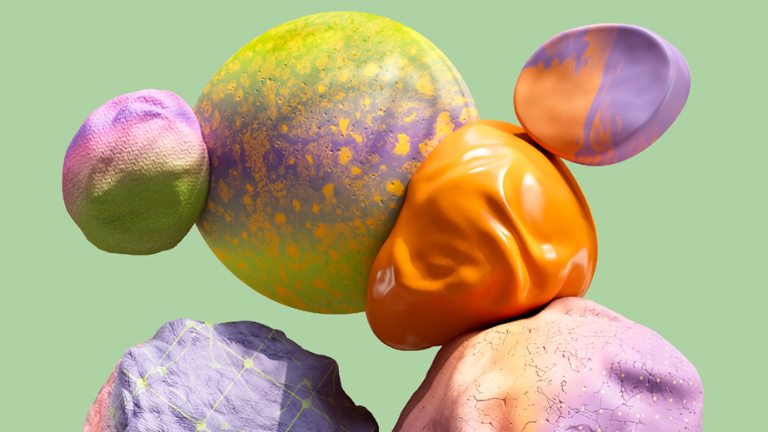
- Lo-fi, tactile objects with softened detail
- Surreal or ambient lighting treatments
- Minimal realism that supports tone without feeling overproduced
-
Hybrid approaches show up often, too. Teams layer simple 2D illustration with subtle 3D depth to create motion that feels dimensional while staying adaptable across formats and timelines.
4. Repeating Text and Live Typography
This trend will only get more ubiquitous with Adobe’s introduction of variable type animation options.
Motion text loops, characterized by short, rhythmic bursts of eye-catching movement, show up everywhere:
-
-
- Title sequences
- Social formats like TikToks and Reels
- Digital ads and motion-led visual design
-
This type of motion works well when space feels tight and timing feels short. It adds energy without needing much else.

5. Push Toward Traditional Art in Wake of AI
As AI-generated content becomes more common, often fast, polished, and interchangeable, some creators push in the opposite direction. They show growing interest in styles that feel handcrafted, imperfect, and emotionally grounded.
These choices show up in:
-
-
- Frame-by-frame 2D animation with visible irregularities
- Watercolor textures and loose, sketchy outlines
- Painted 3D that softens detail and slows the pace
-
Intermarché’s holiday ad shows one example. It uses hand-painted 3D to tell a quiet, emotional story, with visuals that feel soft, personal, and intentionally crafted. Texture carries as much tone as narrative.
6. GIFs, Micro-Motion and Snackable Animation
Short, looping animations continue to play a role in both brand expression and interface design. Teams produce them quickly, share them easily, and use them to add tone or feedback where larger formats do not fit.
Common use cases include:
-
-
- Branded GIFs used in messaging or social content
- Reaction loops that express personality without words
- Micro-interactions in UX like hovers, toggles, or taps that guide or confirm behavior
-
Giphy remains a go-to platform for lightweight brand content that moves fast and gets reused often.

7. Animated and Story-Led Ads
Short-form ads often use motion to shape tone, pace, and structure. Animation can introduce emotion quickly, especially in formats with little time to build context.
Recent examples include:
-
-
- Spotify’s “Zen” campaign uses soft animation to create calm and focus
- Nike’s “Air Reinvented” uses movement to signal energy and product evolution
-
In both cases, motion carries the idea without heavy narration or extended runtime.
8. Mixed Styles: Stop Motion, 3D, 2D and Composites
Blending animation styles has become more common, especially in work that needs dimensionality or grounding. Instead of committing to one look, teams layer formats to build texture and tone.
Combinations that show up more often include:
-
-
- Stop motion paired with digital elements
- 2D animation layered onto 3D environments
- Live-action mixed with animated typography or illustrated motion
- Composites that bring together photography, video, and type
-
These blends can add warmth or contrast, especially when the goal breaks away from visuals that feel overly generated or flat.
9. Pop Culture and Promo Integration
Animated characters help brands add story and tone to products that might not carry emotional weight on their own. Brands use characters for promotion and ongoing identity, which gives audiences something familiar to follow.
Recent examples include:
-
-
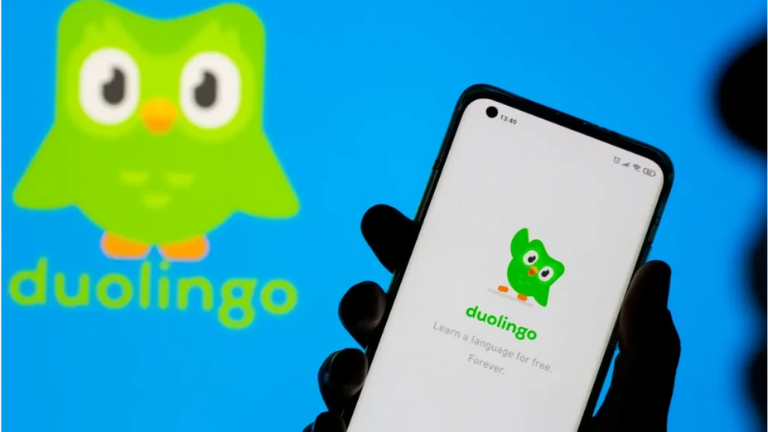
- Duolingo’s owl, which carries the brand voice across social, product, and campaign content
- Popmart and other collectible brands that introduce storylines and seasonal updates through animated characters
-
When teams use character animation consistently, it creates continuity across formats and helps the brand feel more expressive.
10. Cross-Platform and Responsive Motion
A one-size render won’t cut it anymore. Animation has to work across vertical, widescreen, mobile, desktop, and everything in between.
Smart teams build:
-
-
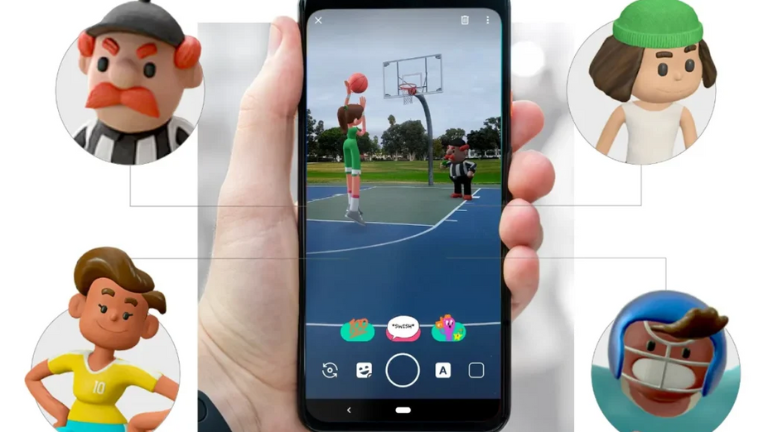
- Motion systems that adjust aspect ratios easily
- Layouts that respond to platform behavior
- Design libraries that keep movement and messaging aligned
-
That flexibility saves time and keeps work on brand even under tight deadlines.
Animation in 2026 doesn’t belong to one format or one team. It shows up in strategy decks, scroll-stopping posts, internal walkthroughs, and campaign rollouts. The goal stays the same: help people see what matters and remember it.
If you’re thinking about where animation fits in your next project, we’re always happy to talk it through.